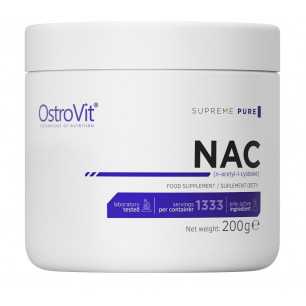
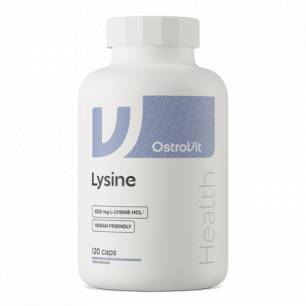
Amino acids
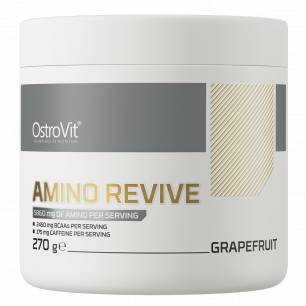
Amino acids speed up muscle recovery and absorb within minutes, without loading digestion. The catalogue includes EAA and BCAA complexes, glutamine, arginine, glycine and other forms for specific goals: training, sleep and endurance.
129 products
What are amino acids
Amino acids are compounds that the body uses to build proteins: muscles, ligaments, skin, enzymes, hormones and antibodies. Twenty amino acids take part in protein building, and nine of them are called essential because the body cannot produce them on its own and gets them only from food. The rest can be synthesised by the body, but during heavy training, illness or a strict diet, its own production may not be enough. Sports amino acids are the same substances in a purified form, without fats, carbohydrates or extra calories. Their main advantage over regular food is speed: free amino acids do not need to be digested and enter the bloodstream within minutes.
Why take amino acids if you already have protein

Protein covers the general need for dietary protein, and for muscle growth this is usually enough. Amino acids solve more specific tasks. First, absorption speed: you can drink amino acids during a workout, while digesting a shake under load can feel heavy for the stomach. Second, individual amino acids work not only as building material. Tryptophan takes part in serotonin synthesis, glycine affects sleep quality, and arginine widens blood vessels and improves blood flow to the muscles. These effects are difficult to get from protein, because the amount of the needed substance in one shake serving is too small. That is why experienced athletes keep protein as the foundation and add individual amino acids for a specific goal.
Which amino acids are needed for what
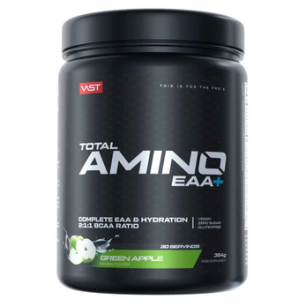
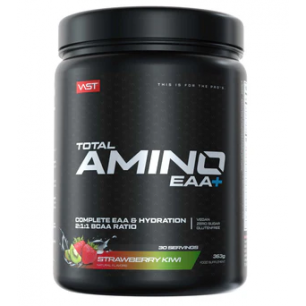
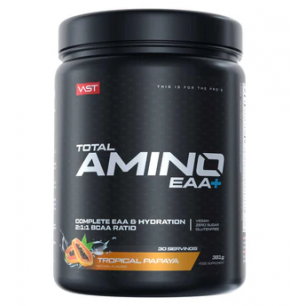
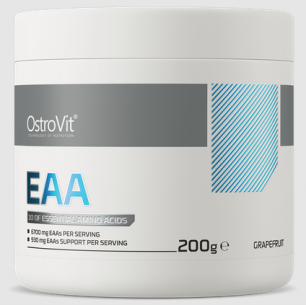
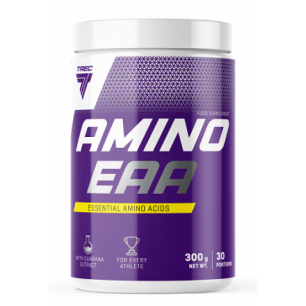
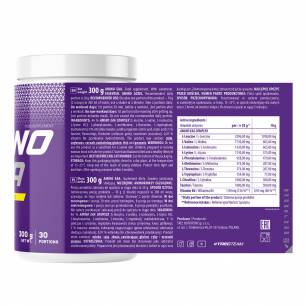
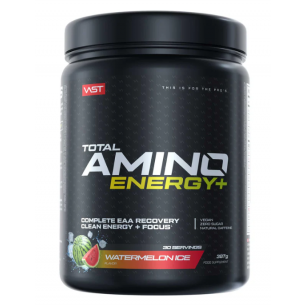
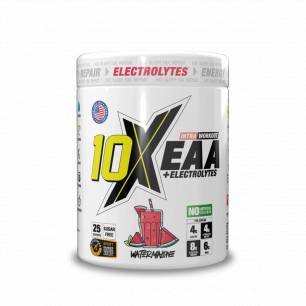
EAA. A complex of all nine essential amino acids. A more complete alternative to BCAA: it contains the same trio of leucine, isoleucine and valine, but adds the other six, without which protein synthesis cannot fully continue. Suitable for use around training and on strict diet days.
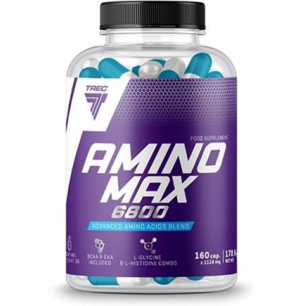
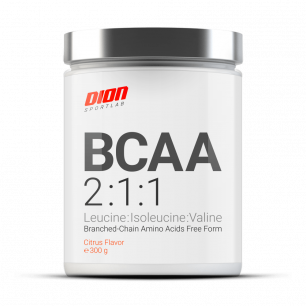
BCAA. Leucine, isoleucine and valine - amino acids that are processed directly in the muscles and provide quick support during fasted training, cutting and long cardio. They have a separate section in the catalogue.
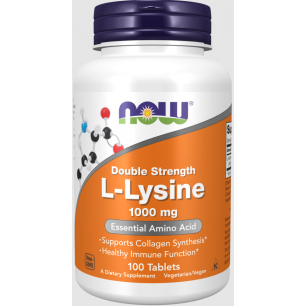
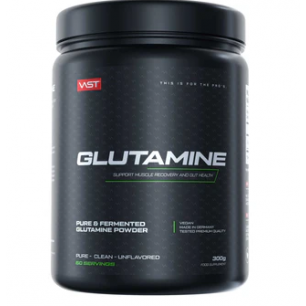
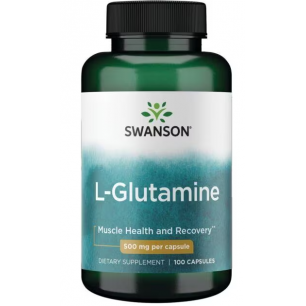
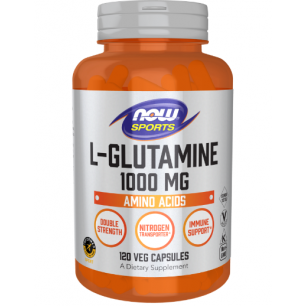
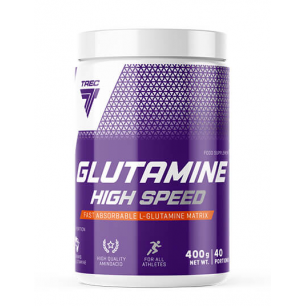
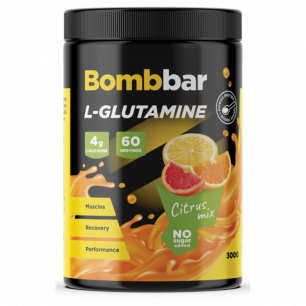
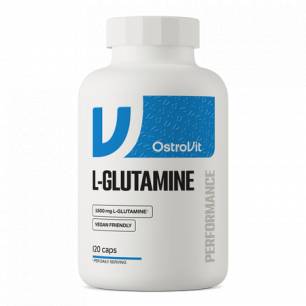
Glutamine. The most abundant amino acid in muscle tissue. Its stores drop noticeably after heavy workouts, so glutamine is taken for recovery. It also serves as an energy source for intestinal and immune system cells, which is why it is often used during periods of high load and in the cold season.
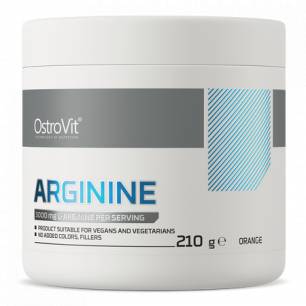
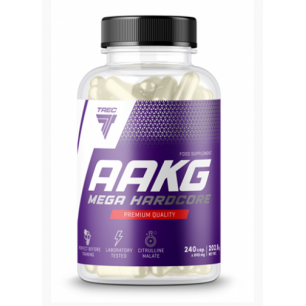
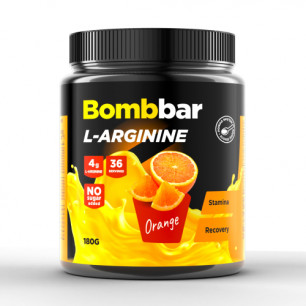
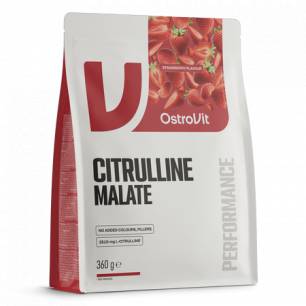
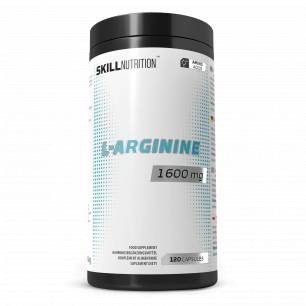
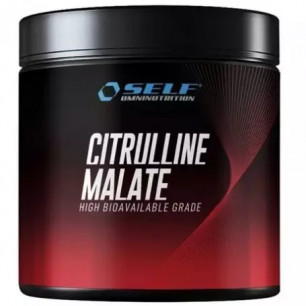
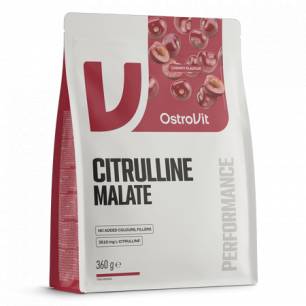
Arginine and citrulline. They work on blood circulation: they widen blood vessels and enhance the pump, meaning the blood flow into the muscles during work. Citrulline raises blood arginine levels more steadily than arginine itself, which is why it is more common in pre-workout routines.
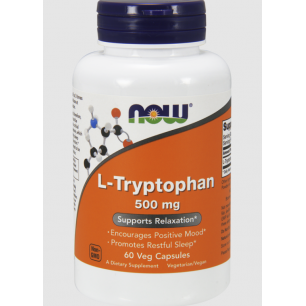
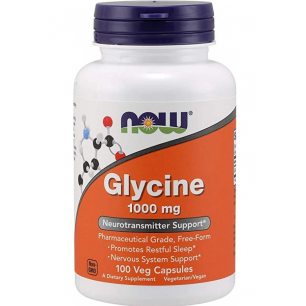
Glycine and tryptophan. An evening pair. Glycine is taken for deeper sleep and calmer falling asleep, while tryptophan serves as a raw material for serotonin and melatonin. These amino acids are chosen not for muscles, but for recovery and nervous system support.
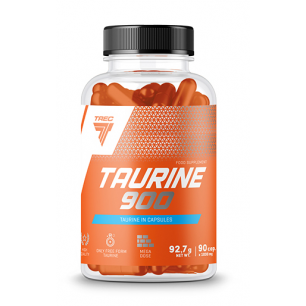
Taurine. Supports endurance and heart muscle function, and is included in many pre-workouts and energy drinks. In pure form, it is chosen by those who want to control the dosage without caffeine.
How to choose the form and how to take amino acids
Powder is better value per serving and convenient to drink during training: mix it in a shaker and drink between sets. Capsules and tablets remove the slightly bitter taste typical of pure amino acids and are convenient for travel. Complexes are taken before, during or after training, while individual amino acids are used according to their purpose: arginine and citrulline half an hour before exercise, glycine and tryptophan in the evening, glutamine after training or before sleep. Amino acids combine with protein, creatine and vitamins without conflict. People with kidney or liver conditions, as well as pregnant women, should consult a doctor before use.
How are amino acids different from protein?
Protein is a whole protein that the body first breaks down into amino acids and only then uses. Amino acids in supplements are already broken down, so they absorb within minutes and do not load the digestive system. Protein is more economical for reaching the daily protein target, while amino acids are faster and more precise in action.
Which is better: EAA or BCAA?
EAA is more complete: it contains all nine essential amino acids, including the BCAA trio. Protein synthesis needs all nine, so if choosing one supplement, EAA looks more logical. BCAA remains an option for targeted support during training, especially fasted training.
Can I take amino acids without training?
Yes, but it only makes sense for a specific goal: glycine for sleep, glutamine during recovery after illness, tryptophan for difficulty falling asleep. Amino acids do not work for muscle growth without training load.
Which amino acids help recovery after workouts?
The main candidates are glutamine and an EAA complex. Glutamine replenishes stores that are depleted during heavy work, while EAA provides the full set of material for repairing muscle fibres. With strong muscle soreness, many people also add BCAA.
How can I tell if the body lacks amino acids?
Typical signs of protein deficiency include slow recovery after exercise, loss of muscle mass, brittle hair and nails, and frequent colds. Only a blood test gives an exact answer, but the first step should always be checking the total amount of protein in the diet.
Amino acids in powder or capsules: what should I choose?
There is no difference in effect, the substance is the same. Powder is cheaper per serving and suitable for drinking during training, while capsules are more convenient on the go and have no taste. The choice comes down to how you prefer to take the supplement.