



Vitamins and supplements
What is the difference between glycine and magnesium glycinate?


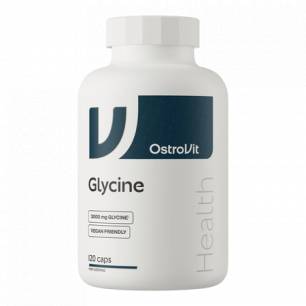
Glycine
Glycine is the simplest amino acid. It is sold as a standalone supplement in dissolvable tablets, capsules and powder. The label states the amount of glycine per serving, for example 500 or 1000 mg.
Magnesium glycinate
Magnesium glycinate, also called magnesium bisglycinate, is not glycine but a form of magnesium. In this compound, magnesium is bound to two glycine molecules. Glycine acts as the binding component, while magnesium is the main mineral supplied by the product. Labels usually state the amount of elemental magnesium per serving.
How to tell them apart when shopping
- If the label says “Glycine”, it is an amino acid supplement.
- If it says “Magnesium Glycinate”, “Magnesium Bisglycinate” or a similar name, it is a magnesium product.
- The same naming principle applies to other minerals: zinc bisglycinate and iron bisglycinate are forms of zinc and iron, not glycine supplements.
Can you get glycine from magnesium glycinate?
Magnesium glycinate does contain glycine, but these products are selected primarily as a source of magnesium. If you specifically want glycine, choose a standalone glycine supplement.
Explore this topic
Still have a question?
Ask a questionHide form
Your question appears only after review and a staff response. Your email is never published.